 JAPANESE
Kohoku Region
L'Hôtel du Lac expresses the distinctive history,
and culinary traditions of the Kohoku region.
Beyond the remarkable scenery and nearby points of interest,
we invite you to discover the local producers and ingredients that shape this land.
Sightseeing Spots
1
Kaizu-Osaki Cherry Blossoms(Selected as One of Japan’s 100 Best Cherry Blossom Spots)
Takashima City
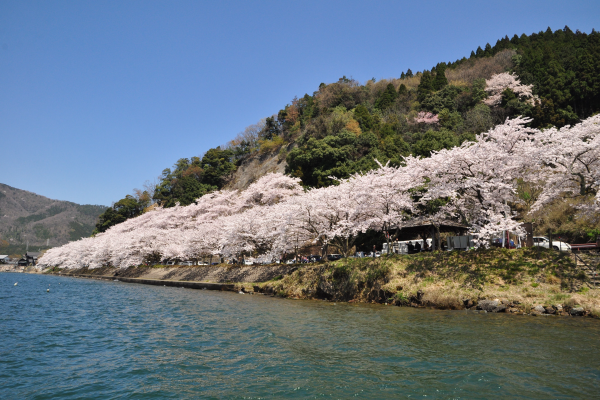
Approximately 800 graceful Somei-Yoshino cherry trees stretch for 4 kilometers along the shores of Lake Biwa.
In the northernmost area of the lake, known as Oku-Biwako, around 3,200 cherry trees line the 22-kilometer route from Nihonmatsu Swimming Beach along the lakeshore to the Oku-Biwako Parkway.
ACCESS
Approximately a 7-minute drive from our hotel.
2
Shirahige Shrine(One of the Oldest Shrines in Omi)
Takashima City
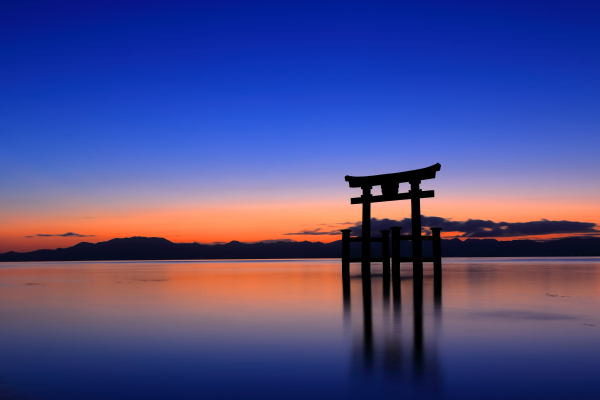
Long revered as the deity of longevity, Shirahige Shrine has been widely worshipped for centuries.
The enshrined deity is also believed to grant blessings for matchmaking, safe childbirth, prosperity in business, protection from misfortune, traffic safety, and guidance in all aspects of life.
ACCESS
Approximately 40 minutes drive from the hotel.
3
Metasequoia Tree Avenue
Takashima City

The symmetrical landscape created by the rows of metasequoia trees lining a perfectly straight road harmonizes beautifully with the distant Nosaka mountain range.
This scenic avenue has been selected as one of Japan’s “New 100 Best Roadside Tree Avenues.”
ACCESS
Approximately 20 minutes drive from the hotel.
4
Shizugatake Lift
Nagahama City
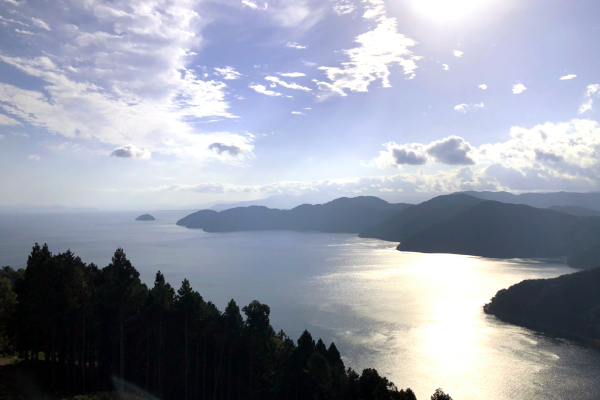
This scenic lift offers sweeping views over Nagahama City in Shiga Prefecture.
Mount Shizugatake was the site of the decisive battle between Hideyoshi Hashiba (later known as Toyotomi Hideyoshi) and Katsuie Shibata. Today, it is preserved as the Historic Battlefield of Shizugatake and attracts many visitors with an interest in Japanese history.
At the summit, banners representing the “Seven Spears of Shizugatake” and statues of military commanders stand as reminders of this historic event.
ACCESS
Approximately 25 minutes drive from the hotel.
5
Keisoku-ji Temple
Nagahama City
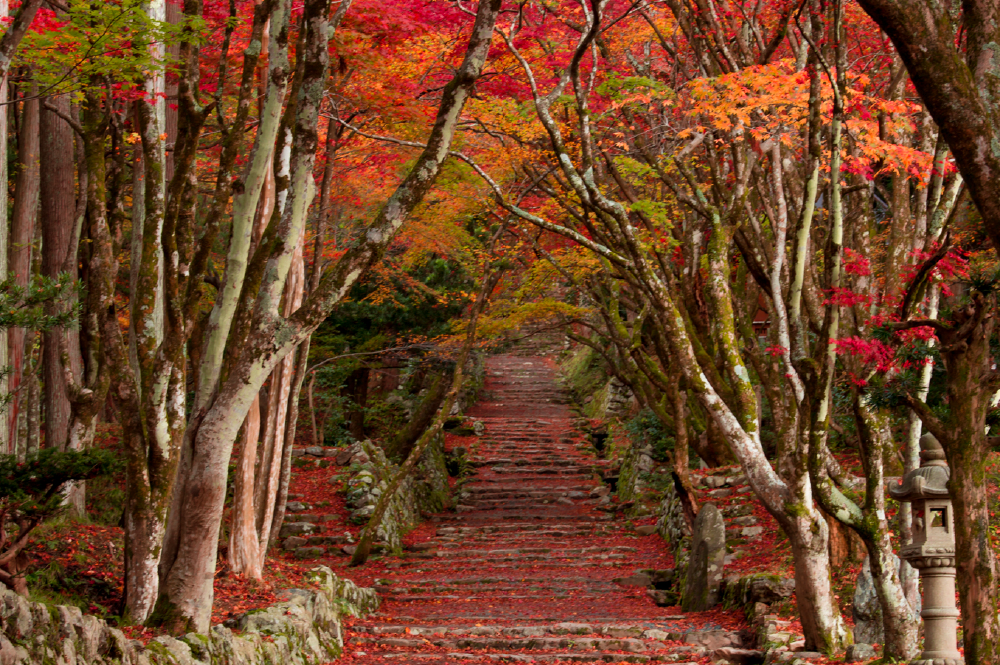
The gently sloping stone steps of the approach, the moss-covered stone walls flanking either side, and the serene plateau all evoke the atmosphere of a bygone era.
In autumn, the temple grounds are adorned with approximately 200 ancient Momiji (Japanese maple) trees, whose vibrant fall colors deepen the sense of history and reverence.
ACCESS
Approximately 35 minutes drive from the hotel.
6
Kohoku Hakkei – Eight Scenic Spots(Lakeshore Road, Ho Park, and Kohoku Waterfowl Park)
Nagahama City
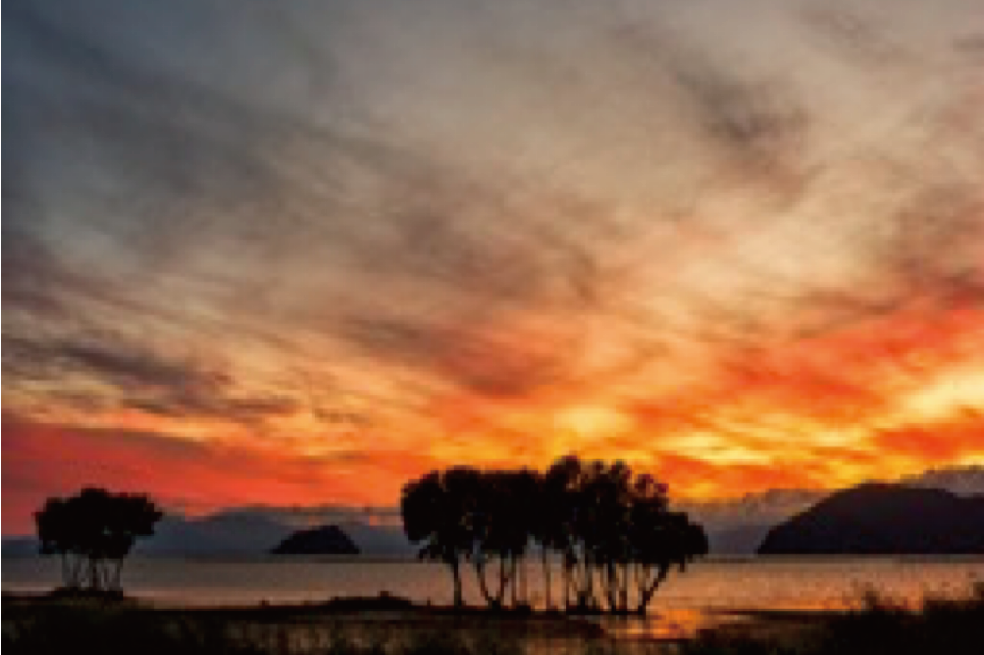
From Ho Park and the lakeshore road in Nagahama City, you can admire the enchanting sunset reflected on Lake Biwa.
Thanks to the lake’s wide east-west span, the view stretches to the opposite shore, offering a grand and expansive panorama.
From Kohoku Waterfowl Park in the north, the unique Uki Island and Chikubu Island appear against the setting sun, creating a truly breathtaking sight.
The evening scene of waterfowl playing on the lake, bathed in warm reddish hues, gently envelops the hearts of visitors.
ACCESS
Approximately 30 minutes drive from the hotel.
History & Culture
1
Chikubu Island(Hōgon-ji Temple and Tsukubushima Shrine)
Nagahama City
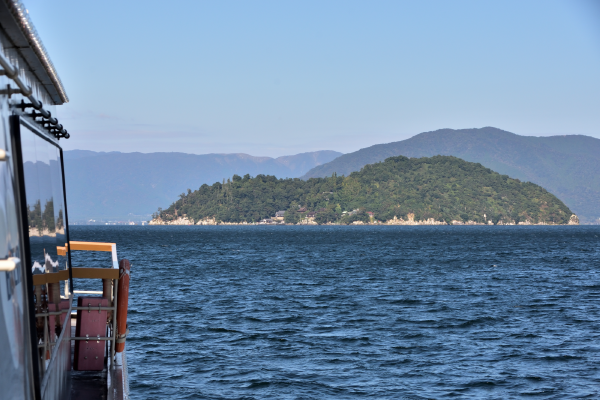
Chikubu Island, with a circumference of 2 km, is the second largest island in Lake Biwa after Okishima.Upon landing, a climb of 165 stone steps leads to the large Hōgon-ji Temple, whose principal deity is Benzaiten (Sarasvati). Together with Enoshima and Itsukushima, it is revered as one of the “Three Benzaiten.”
The Kannon-dō Hall at Hōgon-ji Temple is the 30th site among the 33 sacred Kannon pilgrimage locations in western Japan, attracting many visitors even today.
Crossing the boat corridor brings you to Tsukubushima Shrine. The main hall, designated a National Treasure, is believed to be a remnant of Fushimi Castle, and features Momoyama-period artistry in its sliding doors, pillars, and transoms.
From the hall of worship, which is also mentioned in the Tale of the Heike, visitors can participate in the traditional kawarake-nage ritual: writing a wish on a small unglazed plate and tossing it toward the torii gate on the rocky shore. If the plate passes through the gate, the wish is said to come true.
ACCESS
Approximately 30 minutes drive to Imazu port from the hotel.
Approximately 45 minutes drive to Nagahama port from the hotel.
2
Sugaura Lakeshore Village(Important Cultural Landscape)
Nagahama City
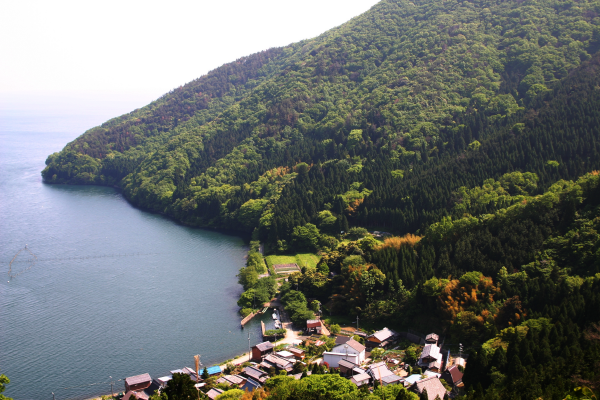
<Japanese Heritage>
Sugaura is a lakeside village on Oku-Biwako, often called the “Hidden Village.”
The village preserves its traditional waterside lifestyle, including the historic Shisoku-mon Gate, which once served as a watchtower.Additionally, the Sugaura Documents, preserved at Suga Shrine, have been designated a National Treasure of Japan.
ACCESS
Approximately 20 minutes drive from the hotel.
3
Hokkokukaido – Kinomotojuku
Nagahama City
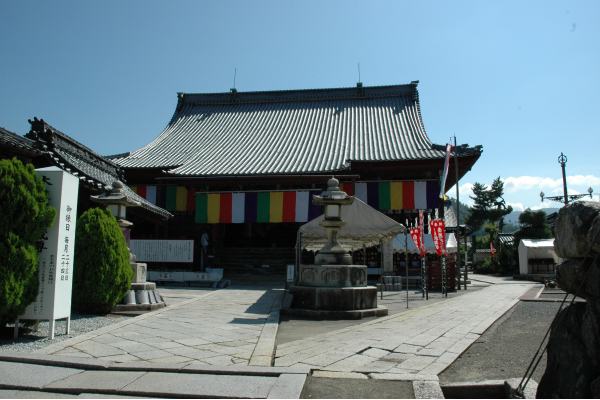
Kinomotojuku is a historic temple town centered around Kinomoto Jizoin Temple and a former post town along the Hokkokukaido road.
Its charming streets, lined with traditional houses that once thrived as inns, evoke a sense of nostalgia and invite leisurely exploration.
As you stroll, you will discover old merchant houses, sake breweries, and other hidden gems, making the streetscape a journey of continual discovery.
ACCESS
Approximately 25 minutes drive from the hotel.
4
Kōgen-ji Temple
Nagahama City
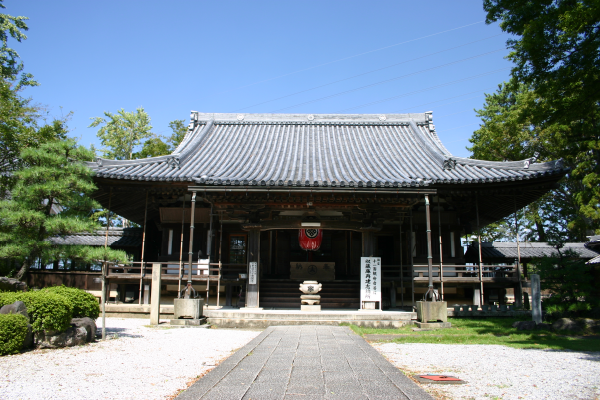
Takatsuki Town in Nagahama City is also known as “Kannon no Sato” (Village of the Kannon, Goddess of Mercy), where many temples display statues of Kannon.
Among them, Kōgen-ji Temple’s Dōgan-ji Kannon-dō Hall houses the eleven-faced Kannon Bodhisattva. This statue is one of the seven standing eleven-faced Kannon statues designated as National Treasures, and is especially admired for its exquisite artistic form.
ACCESS
Approximately 30 minutes drive from the hotel.
5
Kurokabe Square
Nagahama City
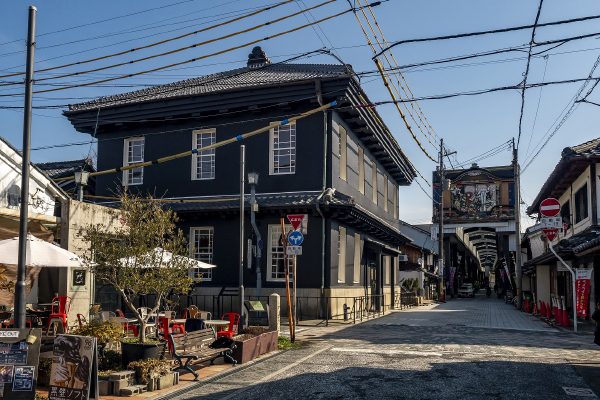
Kurokabe Square is the name for a charming corner of the historic streets along the Hokkokukaido Road.
At its center is the Kurokabe Glass Museum, a renovated old bank affectionately known as Kurokabe Bank since the Meiji era (1868–1912).
Throughout the surrounding streets, visitors can discover glass shops and workshops, galleries, hands-on craft classes, restaurants, cafés, and other engaging establishments.
ACCESS
Approximately 42 minutes drive from the hotel.
6
Hikone Castle
Hikone City
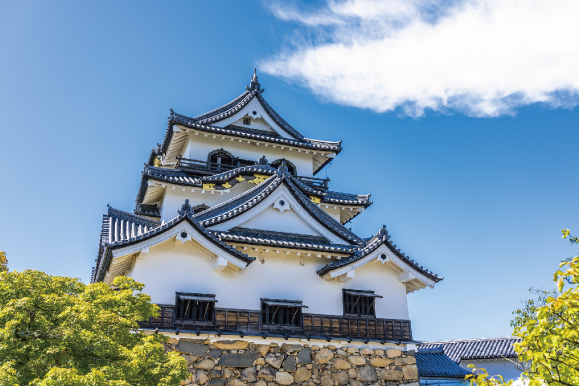
Construction of Hikone Castle began in 1604 and took approximately 20 years to complete.
The castle’s layout remains remarkably well-preserved, and for this reason it was designated a National Historic Site in 1951 and a Special Historic Site in 1956. It is carefully protected as a cultural asset shared by all citizens.
Hikone Castle is also listed on Japan’s Tentative List of World Heritage Sites and is being considered for future World Heritage registration.
ACCESS
Approximately 60 minutes drive from the hotel.